
You want to spot roof trouble from the ground before small issues become costly repairs. This article shows clear, practical signs to check on your Fort Wayne home so you can compare repair options and decide what to ask a contractor.
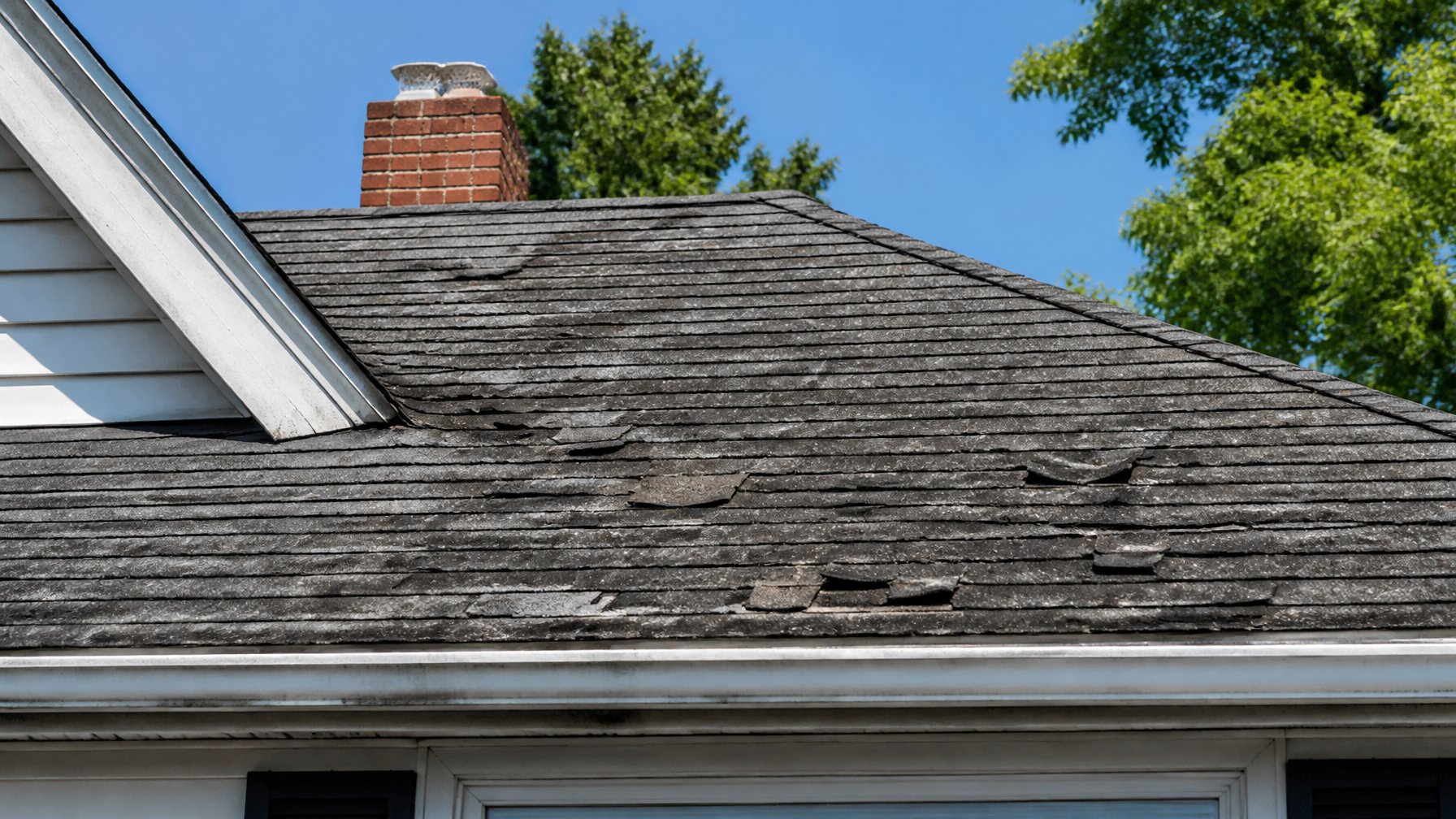
They can use these simple clues to judge urgency, estimate repair scope, and weigh tradeoffs like patching versus full replacement. The guidance keeps the focus on what to look for, what to compare, and which questions to bring to a pro, helping homeowners make smart decisions without climbing onto the roof.
1) Curling or cupping shingles near gutters
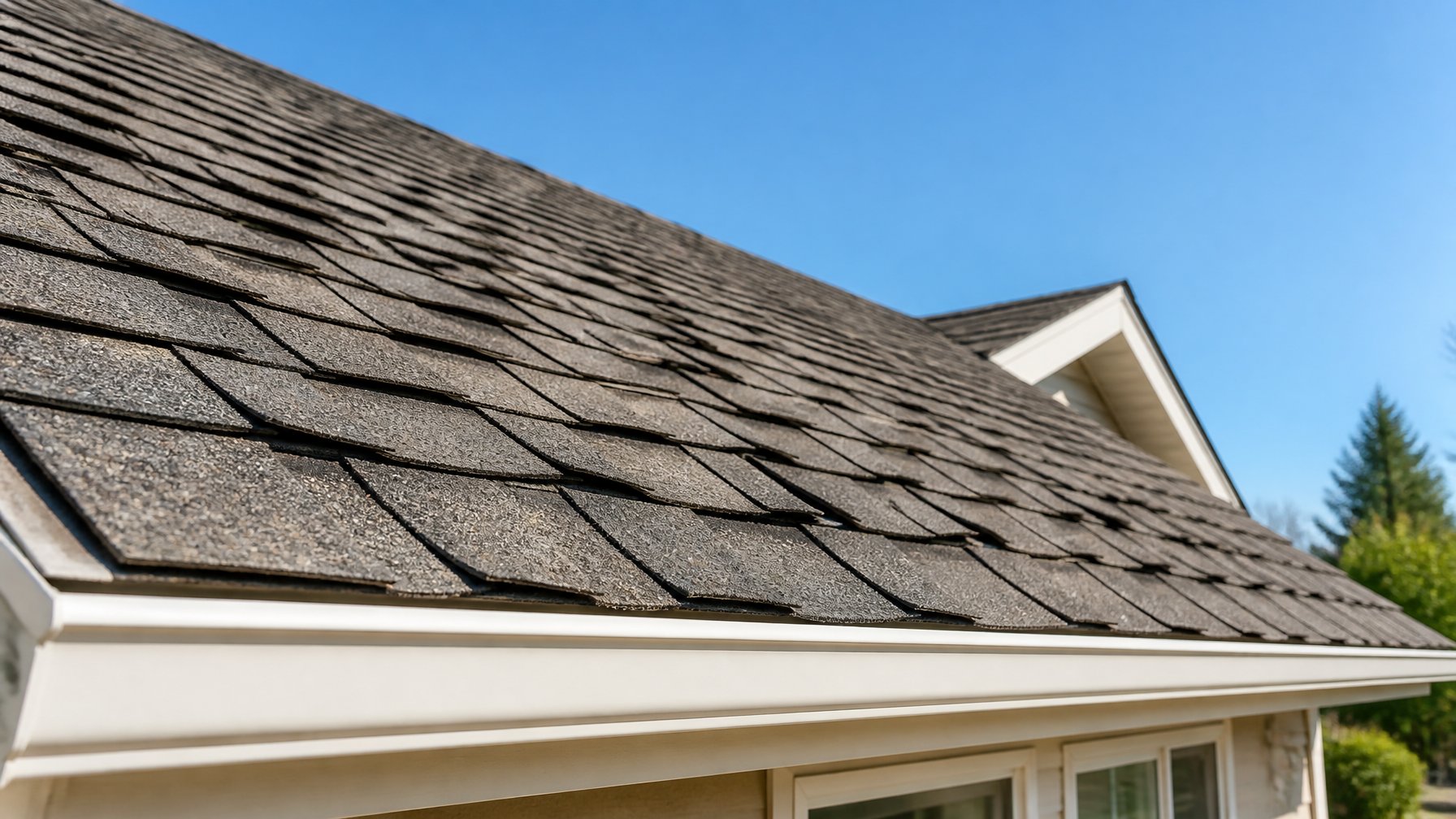
They should look flat along the roof edge. Compare the curled edges to shingles higher on the roof; if only the lower rows cup or curl, water flow and fastener issues may be at fault. Ask whether flashing or gutter overflow could be driving moisture into those shingles.
Have the homeowner check for granule loss and exposed felt near curled edges. If felt shows through, wind or age likely caused the damage and replacement of those rows may be needed. Consider the tradeoff between spot replacement and reroofing if many lower shingles fail.
Inspect gutters for debris and standing water while examining shingle shape. Clogged gutters can force water under shingles and speed cupping. For guidance on roof services, see roofing services.
2) Missing or exposed nail heads on roof slope
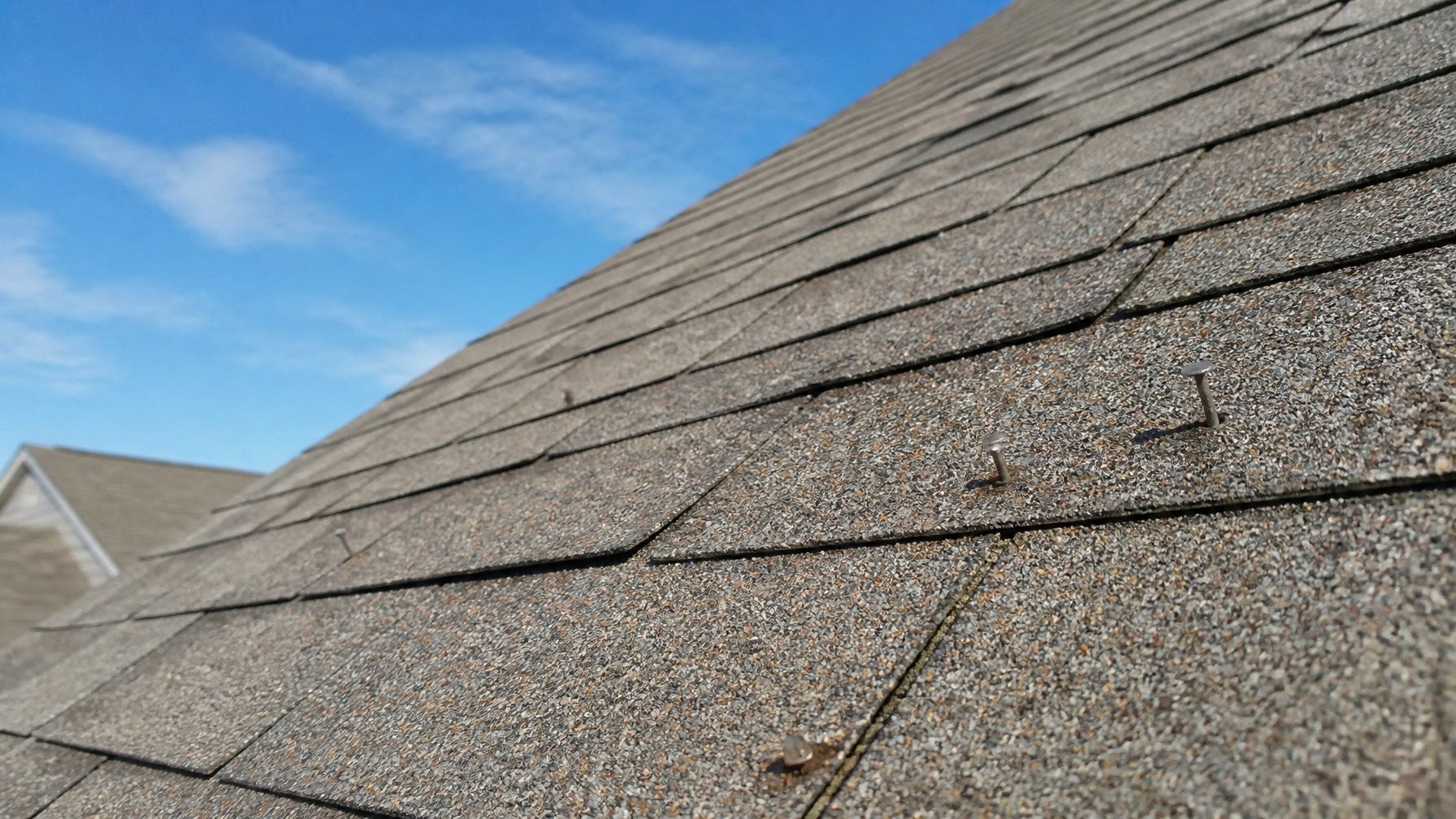
They should scan the roof slope for nails that sit proud of the shingle surface or are missing entirely. Exposed nails let water lift shingles and cause leaks, so compare rows across the slope to see if the problem is widespread or just a few fasteners.
Ask whether nails were driven too shallow or the deck has shrunk; both affect holding power. If many nails are exposed, weigh repair vs. partial re-nailing; a pro can re-seat nails or replace affected shingles.
They should note rusted nail heads, too, since rust can widen holes. For more guidance on hiring help or next steps, visit the roofing services page on the homepage.
3) Granule loss visible on lower shingle edges
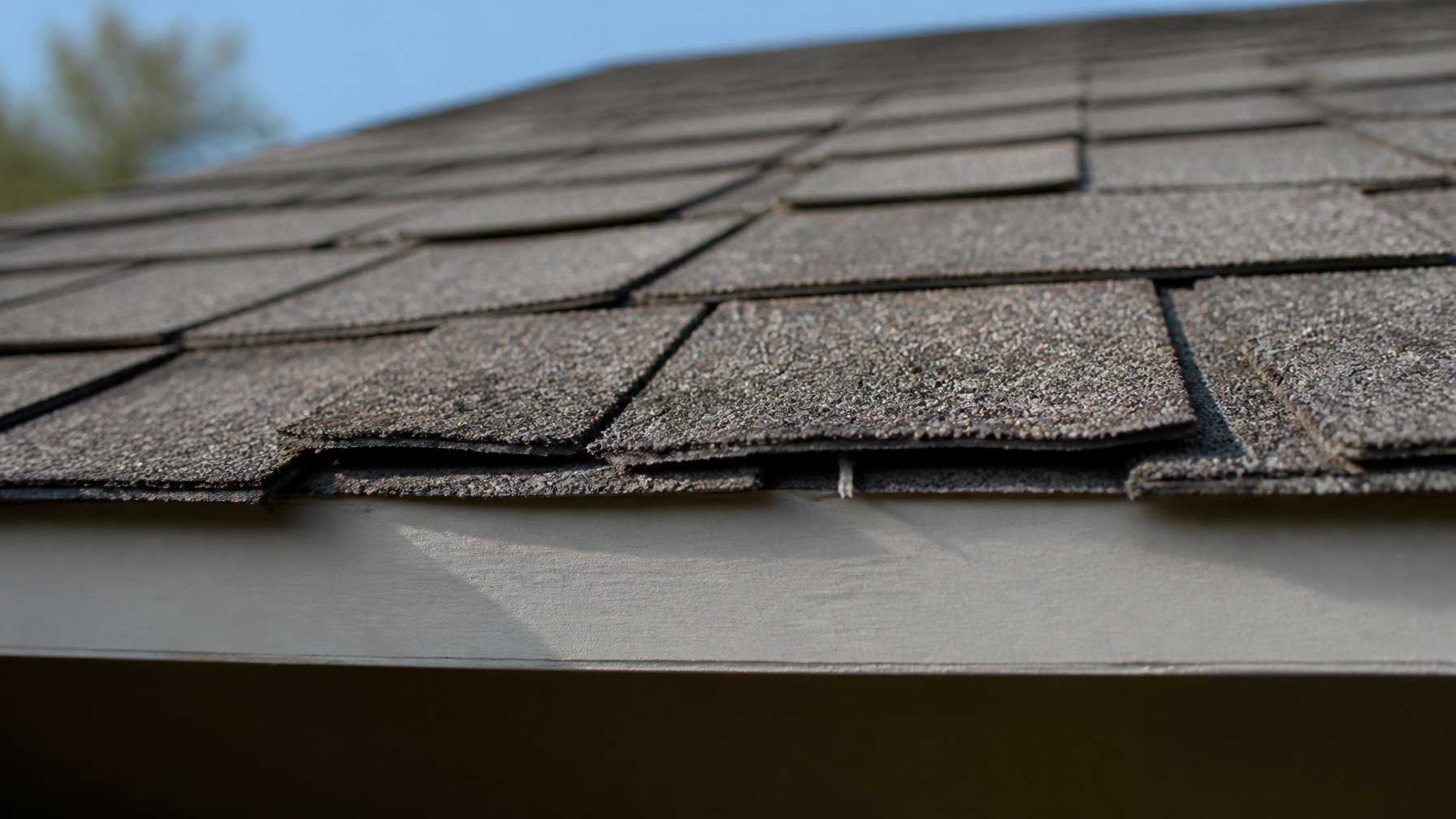
They should look for bare tabs or dark streaks along the bottom edges of shingles. Compare areas under the eaves and around valleys; heavier loss in one spot may point to flashing or runoff issues.
Ask whether the granules fall into gutters or downspouts when it rains. If gutters fill with tiny black sand, that signals ongoing wear and a tradeoff: repair now to avoid leaks, or delay and risk faster deck exposure.
Check how long the roof’s shingles have been exposed to sun and wind. Older shingles naturally lose granules faster, so weigh replacement age against short-term patching costs.
Homeowners can learn more about common roof repairs and choices on the roofing services page. All images should show realistic home-improvement photo style.
4) Dark streaks indicating algae or moisture pooling
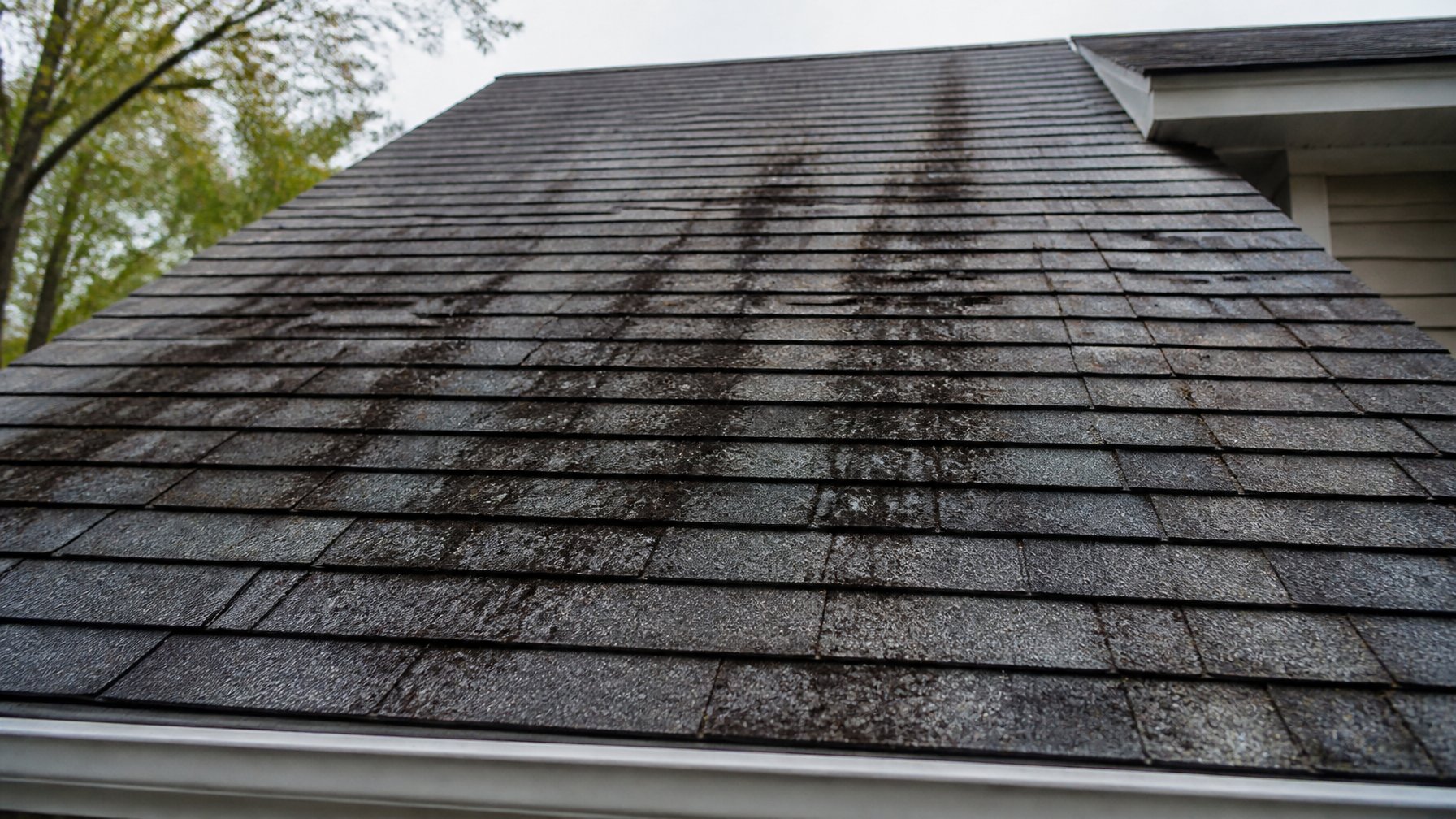
They should look for dark, usually vertical streaks across the shingles. Compare shaded versus sun-exposed roof areas; streaks that only appear in shaded spots often mean algae, while random patches near valleys or saddles suggest moisture pooling.
Ask whether the roofing material has a copper or zinc strip that limits algae growth, and weigh the cost of cleaning now versus replacing heavily stained shingles. Homeowners should also check attic ventilation and insulation, since poor airflow can trap moisture and speed shingle decay.
If algae is likely, they can try soft washing or a mild bleach solution, but they should compare cleaning quotes and warranties first. For moisture pooling, inspect gutters and roof slope to see if water gathers; small repairs to flashing or adding vents may prevent bigger damage. Visit the roofing services page to learn about cleaning and repair options.
5) Sagging or uneven roofline sections
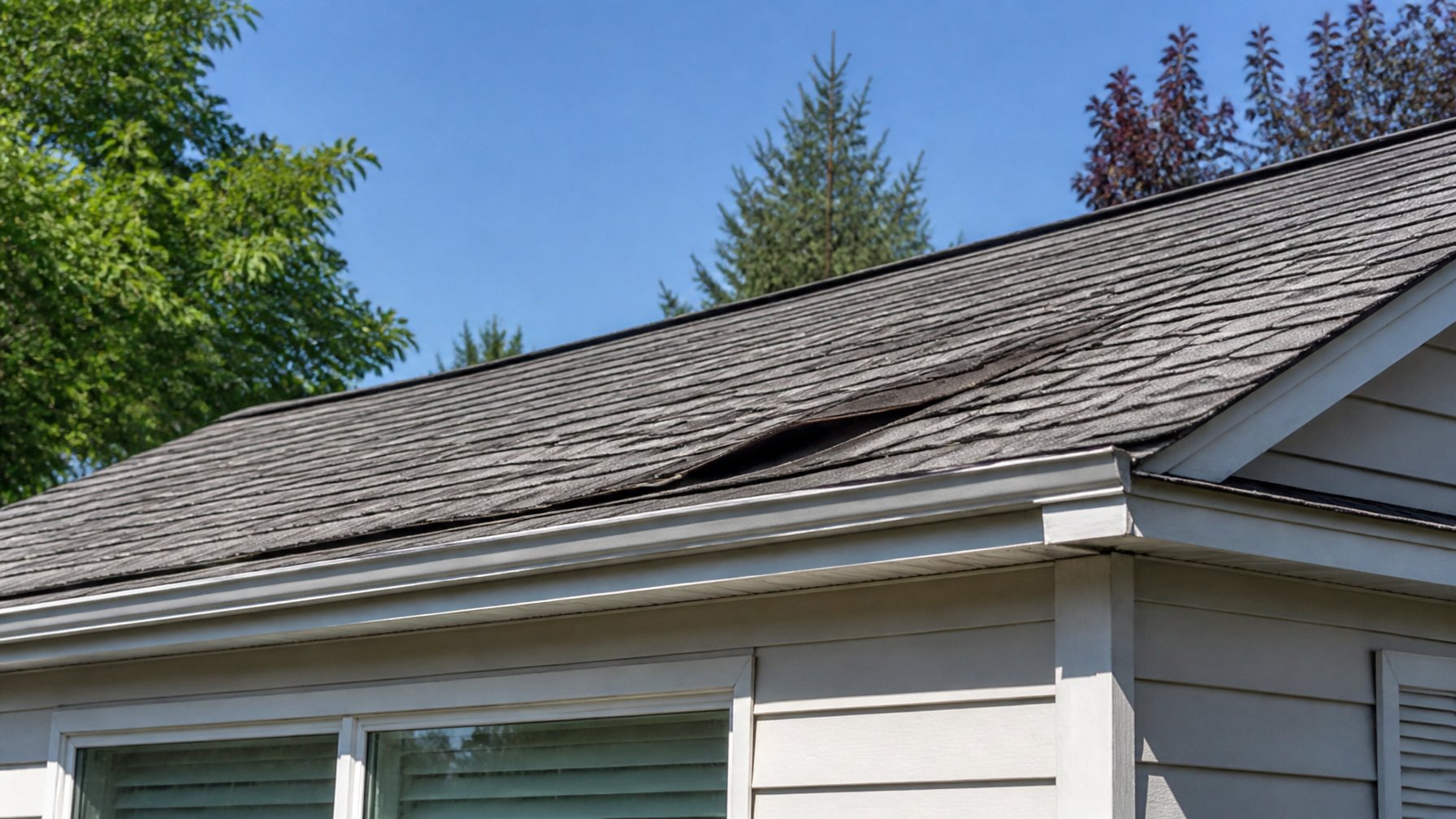
They should stand back and sight along the eaves and ridges from several angles. Compare one side of the roof to the other and note any dips, waves, or low spots that break the straight line.
Ask whether framing damage, rot in rafters, or a failing deck could cause the change. A structural issue often needs more than a shingle fix; tradeoffs include higher repair cost now versus bigger structural repairs later.
If they see sagging, suggest getting a professional inspection and mention checking a general roofing service page for more info. Take photos from the ground to show the inspector where the uneven sections appear.
6) Flashing gaps around chimney or vent pipes
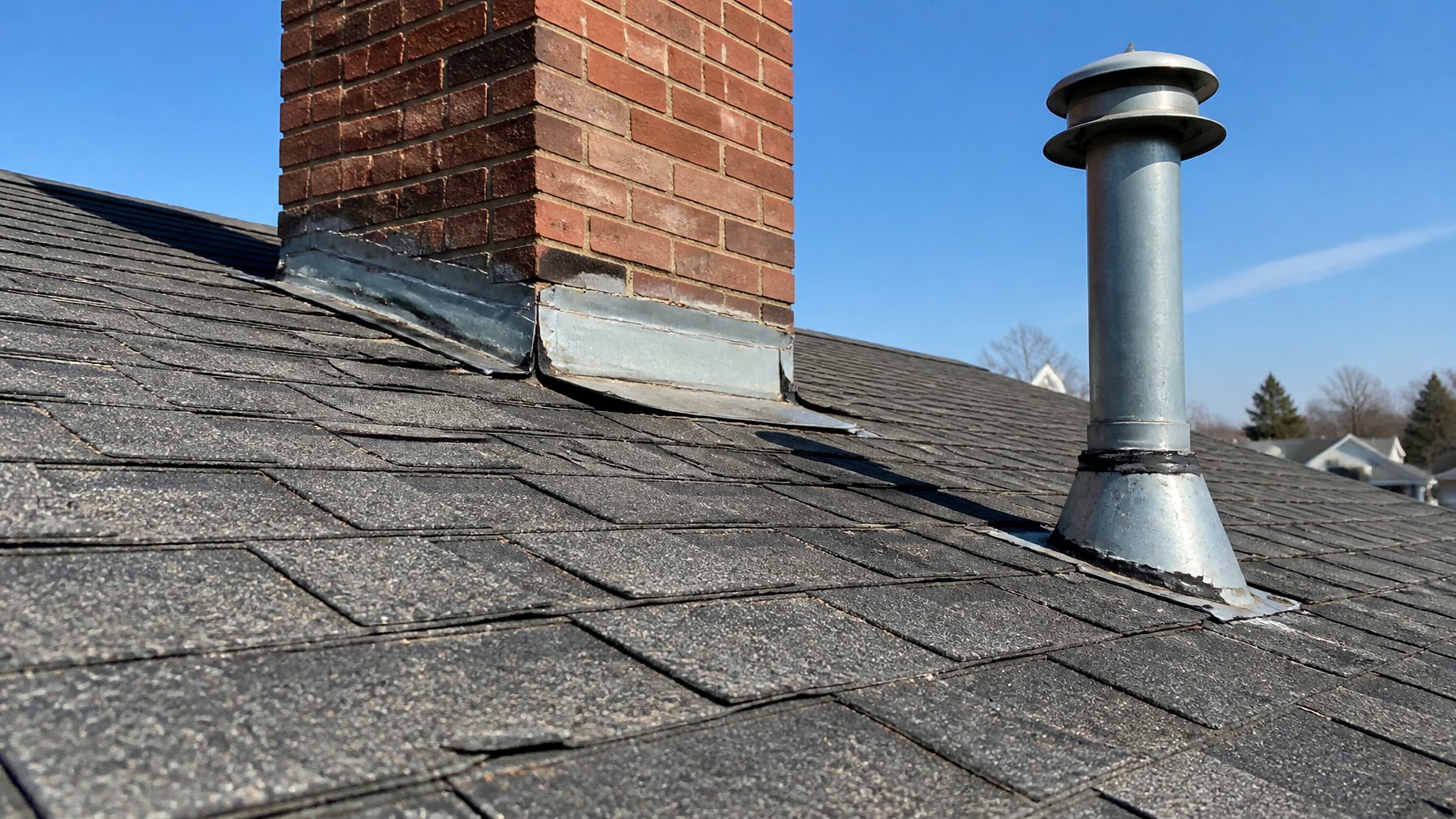
They should look tight where metal flashing meets the chimney or pipe. Compare the seal to nearby flashing; gaps, rust, or lifted edges mean water can get in. Ask whether the flashing is loose, corroded, or sealed with old caulk.
Have someone check for dark stains or growth on the ceiling under the chimney area. That often shows a slow leak from flashing gaps and helps decide if repair or replacement is needed.
Weigh simple resealing against replacing flashing. Resealing costs less but may fail sooner; full replacement is pricier but lasts longer. For more guidance, see roofing services.
7) Loose or cracked ridge cap shingles
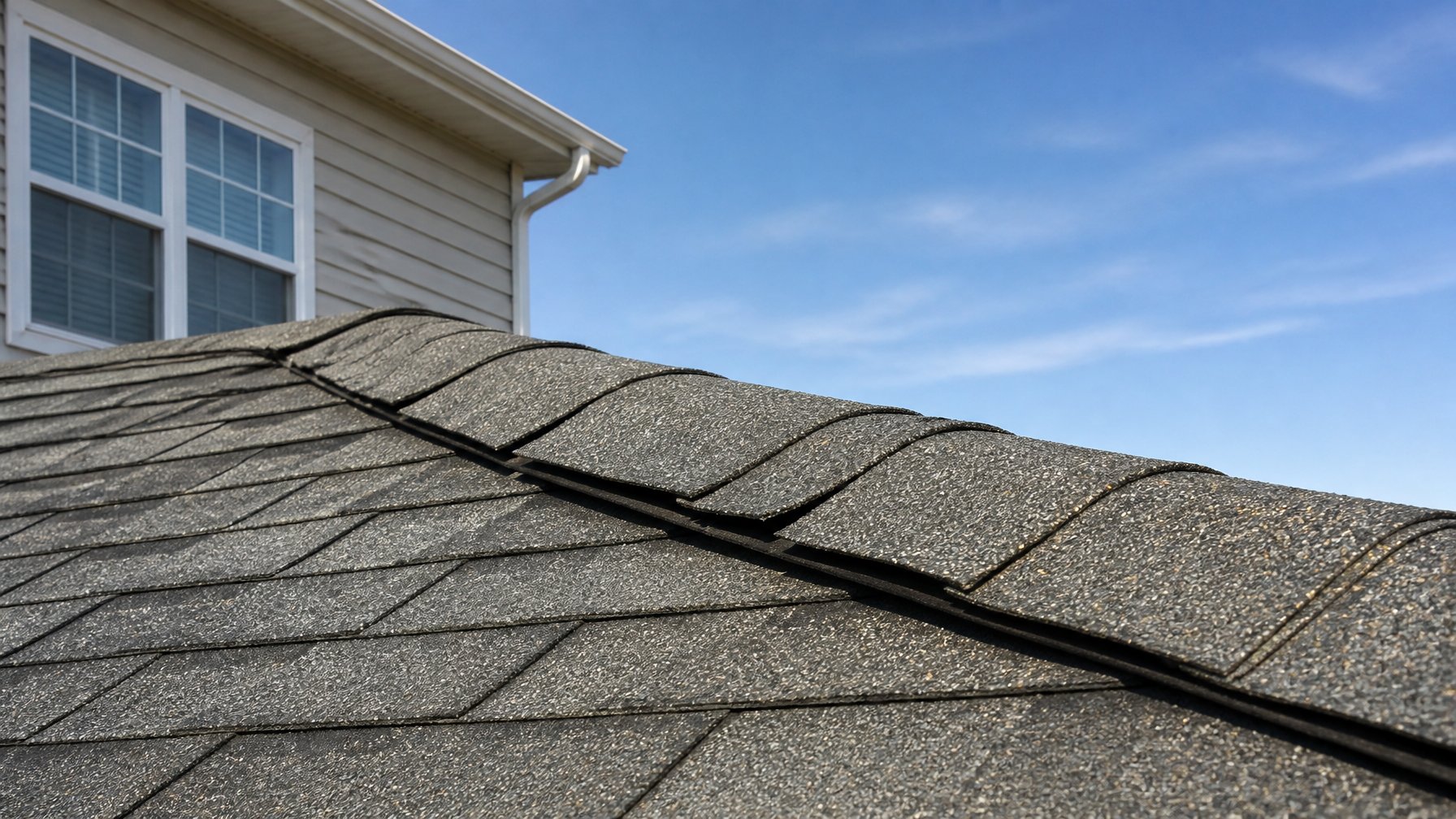
They should check the ridge line where the roof peaks. Loose or cracked ridge cap shingles let wind and water get under the roof, so note gaps, curled edges, or broken pieces compared to intact caps nearby.
Ask whether the ridge ventilation looks damaged when caps are loose. A tradeoff exists: replacing only the bad caps saves money now but fixing underlying vents or flashing may prevent repeat problems.
Compare material and color to decide if partial replacement will match later. If many caps are failing, it often makes sense to replace the entire ridge run for a uniform look and better long-term protection. See the roof replacement and repair page for more details.
8) Debris-filled valleys obstructing water flow
Homeowners should check roof valleys for leaves, sticks, and shingle grit that block water. Compare how quickly water drains during a heavy rain; slow flow means clogs that can cause leaks. Ask whether a cleaning will fix the issue or if valley flashing needs repair.
They should note if debris sits against fasteners or lifts shingles. That increases rot risk and shortens shingle life. Consider tradeoffs: frequent cleanings cost less than emergency repairs, but damaged flashing may need replacement.
If the valley slope looks uneven or shingles are split nearby, they should get a closer inspection. Ask the roofer about proper valley flashing types and expected lifespan. For more roof care guidance, visit homepage.